Can Dental Bridges Replace Multiple Missing Teeth?
June 1, 2026Missing several teeth can affect more than your appearance. It may become harder to chew certain foods, speak clearly, or maintain proper alignment in your mouth. Over time, nearby teeth can shift into empty spaces, creating additional oral health concerns.
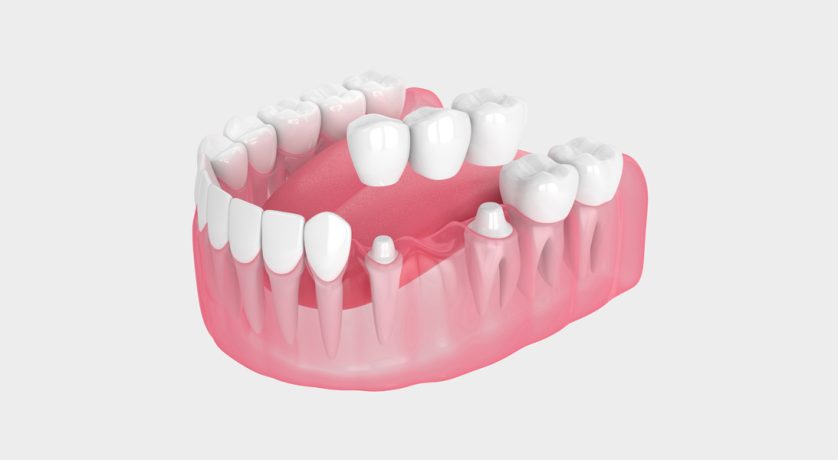
For many adults, dental bridges provide a reliable way to eat comfortably again and feel more confident about their smile. If you are exploring treatment options like dental bridges in Jacksonville, FL, it helps to understand how they work and when dentists typically recommend them.
What Is a Dental Bridge and How Does It Work?
Dental bridges are fixed prosthetic restorations that replace one or more lost teeth. The bridge replaces missing teeth with artificial ones that are secured by neighboring teeth or implants.
A traditional bridge generally includes:
- One or more artificial teeth called pontics
- Dental crowns, placed on supporting teeth
- Durable materials designed to match natural teeth
Once secured in place, the bridge functions much like natural teeth. It restores chewing ability, improves speech, and helps maintain the shape of your smile.
Dentists may recommend a bridge when:
- Several teeth are missing in the same area
- Adjacent teeth are healthy enough for support
- Tooth loss affects eating or speaking
- Patients want a fixed, non-removable option
Replacing missing teeth is important because untreated gaps can lead to bite changes, uneven wear, and additional stress on surrounding teeth.
Can Dental Bridges Replace Multiple Missing Teeth?
Yes, dental bridges can replace several teeth in many situations. The success of treatment depends on the condition of the surrounding teeth, gum health, and where the gaps are located.
Bridges are commonly used when:
- Missing teeth are next to each other
- Supporting teeth are strong and stable
- The bite can be evenly balanced
- Gum tissue is healthy
For larger gaps, dentists may recommend implant-supported bridges because implants help distribute chewing pressure more evenly.
Patients looking for a trusted dentist in Jacksonville, FL, often ask whether bridges are a better choice than implants. The right choice often depends on your bone health, long-term goals, budget, and personal preferences. A professional evaluation helps determine which solution will provide the best long-term outcome.
How Many Teeth Can a Dental Bridge Replace?
Most dental bridges can comfortably replace one to four missing teeth. In some cases, additional teeth may be replaced if there is enough support.
The number of teeth a bridge can safely replace depends on:
- The location of the missing teeth
- The strength of neighboring teeth
- Jawbone and gum health
- Bite pressure
- The type of bridge used
Longer bridges can place more pressure on the supporting teeth, especially in the back areas that handle greater chewing forces. Because of this, dentists carefully evaluate stability before recommending treatment.
When larger spaces are involved, implant-supported bridges may offer improved support and durability.
Types of Dental Bridges for Multiple Missing Teeth
Dentists may recommend different types of bridges based on a patient’s oral health and the number of teeth being replaced.
Traditional Dental Bridges
Traditional bridges are one of the most common options. They use crowns placed on teeth located on both sides of the gap.
These bridges are often recommended when:
- Healthy, natural teeth are present nearby
- Multiple missing teeth are located together
- Patients want a stable, fixed restoration
Traditional bridges often provide long-lasting results when patients maintain proper dental care.
Implant-Supported Bridges
Implant-supported bridges use implants placed in the jawbone to hold the restoration securely in place.
This option may be recommended when:
- Several teeth are missing
- Existing teeth are not strong enough for support
- Greater long-term stability is needed
Implants also help stimulate the jawbone, which may reduce bone loss after tooth extraction.
Cantilever Bridges
Cantilever bridges rely on support from only one neighboring tooth. Dentists use them less often because they may place more stress on the supporting tooth.
They are typically reserved for areas with lighter bite pressure.
Maryland Bridges
Maryland bridges use metal or ceramic wings bonded behind adjacent teeth. They are usually recommended for front teeth because they experience less chewing force.
Benefits of Dental Bridges for Multiple Teeth Replacement
Dental bridges offer both cosmetic and functional improvements for individuals with multiple missing teeth.
Improved Chewing Ability
Missing teeth can make eating uncomfortable or difficult. A bridge helps patients chew more comfortably and improves overall bite function.
Better Speech Clarity
Teeth help form sounds correctly during speech. Replacing missing teeth may improve pronunciation and speech clarity.
Prevents Teeth From Shifting
Untreated gaps can cause surrounding teeth to move out of position. Bridges help maintain proper alignment and bite balance.
Restores Smile Appearance
A bridge fills visible gaps and supports the facial structure, helping to create a fuller, more natural-looking smile.
Fixed and Convenient
Unlike removable dentures, bridges stay securely in place and do not require removal for cleaning.
Many people searching online for a “dentist near me” prefer bridges because they offer a comfortable, natural-feeling restoration option.
How to Care for a Dental Bridge
Proper maintenance increases the lifespan of a dental bridge.
Practice Daily Oral Hygiene
Brush your teeth twice daily with fluoride toothpaste, paying close attention to the area around the bridge.
Helpful cleaning tools include:
- Floss threaders
- Water flossers
- Interdental brushes
Cleaning around the bridge every day helps maintain healthy gums and protects the surrounding teeth from decay.
Avoid Excessive Pressure
Chewing ice, hard candy, or non-food objects can damage the bridge or supporting teeth.
Limiting very sticky or hard foods may also help protect the restoration.
Visit Your Dentist Regularly
Regular dental checkups help catch minor issues early before they become more serious.
Professional cleanings significantly maintains healthy gums around the restoration.
Watch for Warning Signs
Schedule a dental appointment if you notice:
- Pain while chewing
- Loose dental work
- Gum irritation
- Bite changes
- Difficulty cleaning the bridge
Early treatment may help prevent more serious complications.
FAQs
Yes, many bridges can replace up to four missing teeth when adequate support is available.
With proper care, dental bridges often last 10 to 15 years or longer.
The process is usually comfortable with local anesthesia. Mild soreness afterward is generally temporary.
Most patients return to normal eating habits after adjusting to the restoration.
Modern bridges are custom-designed to blend naturally with surrounding teeth.
Final Thoughts
For many patients, dental bridges are a practical way to replace missing teeth and regain everyday comfort while eating, speaking, and smiling. The right restoration depends on your oral health, bite alignment, and long-term goals.
If you are exploring tooth replacement options, the team at Amiable Dental Care – Jacksonville can help you decide whether a dental bridge is the right fit for your smile and long-term oral health.