What Are the Signs You Need a Dental Crown Instead of a Filling?
July 1, 2026A small cavity can often be repaired with a filling. But what happens when the damage goes beyond what a filling can safely support?
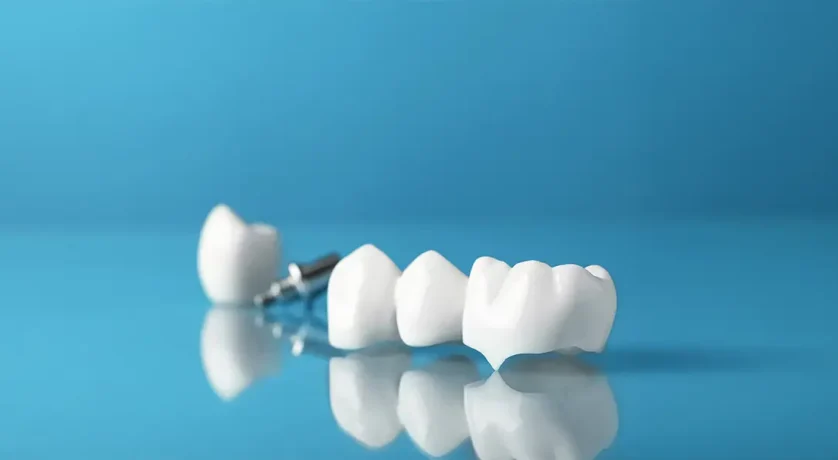
Many people assume a filling is always the simplest solution. In reality, there are situations where a crown provides better protection and helps preserve the tooth for years to come. Knowing the difference can prevent future fractures, repeated dental work, and unexpected discomfort.
If you’re considering dental crowns in Jacksonville, FL, spotting these signs early may help you avoid future complications and choose the most appropriate treatment.
Dental Crown vs Filling: What’s the Difference?
Both crowns and fillings restore damaged teeth, but they serve different purposes.
A filling repairs a small area affected by decay or minor damage. The weakened portion of the tooth is cleaned out and repaired with a material that restores its shape and function.
A crown is custom-made to fit over a damaged tooth, helping restore both function and durability. It covers and strengthens the tooth while restoring its appearance and ability to function normally.
When Is a Filling Appropriate?
A filling is typically recommended when:
- Decay is limited to a small area
- The tooth structure remains strong
- Cracks are minor and superficial
- There is enough healthy enamel to support normal chewing forces
When Is a Crown Recommended?
A crown may be necessary when:
- A large portion of the tooth is missing
- The tooth has extensive decay
- A fracture weakens the structure
- A root canal has been completed
- Existing restorations have become too large
The goal is not simply to repair damage but to prevent future complications.
What Are the Signs You Need a Dental Crown Instead of a Filling?
Certain symptoms and clinical findings indicate that a filling may no longer provide adequate protection.
1. A Large Portion of the Tooth Is Damaged
When decay affects a significant percentage of the tooth, placing another filling can leave the remaining structure vulnerable.
Research published by the National Library of Medicine has shown that larger restorations increase the likelihood of fractures over time. In these cases, a crown distributes biting pressure more evenly and reinforces the tooth.
2. You Have a Cracked Tooth
Small surface lines are common and often harmless. However, deeper cracks can compromise tooth integrity.
Warning signs may include:
- Pain when chewing
- Sensitivity to temperature changes
- Intermittent discomfort that comes and goes
- Sharp pain when releasing biting pressure
A filling may not prevent the crack from spreading. A crown can help stabilize the tooth and reduce further damage.
3. You Have Repeated Filling Failures
If a tooth has been repaired multiple times, the remaining healthy structure becomes progressively smaller.
Each replacement restoration removes a little more natural material. Eventually, there may not be enough support for another filling.
An experienced dentist in Jacksonville, FL, may recommend a crown to provide long-term durability rather than continuing a cycle of replacements.
4. You Recently Had a Root Canal
The procedure removes infection from the inner part of the tooth while allowing the tooth to remain in place. While the procedure saves the tooth, it can also leave it more brittle.
Back teeth are particularly vulnerable because they absorb substantial chewing forces every day.
Many teeth benefit from a crown following root canal therapy, as it helps restore strength and reduce the chance of future damage.
5. You Experience Pain While Chewing
Persistent discomfort during eating can indicate structural weakness.
Possible causes include:
- Hidden cracks
- Large restorations
- Thin tooth walls
- Internal damage
A comprehensive examination can determine whether a filling remains sufficient or if additional coverage is needed.
6. The Tooth Has Significant Wear
Years of grinding, clenching, or heavy chewing can gradually wear down enamel.
Signs include:
- Flattened biting surfaces
- Shortened teeth
- Increased sensitivity
- Small fractures along the edges
When wear becomes substantial, a crown can restore proper shape and protect against further deterioration.
7. There Is Not Enough Healthy Tooth Remaining
One of the most important factors is the amount of natural tooth structure left.
Even the strongest filling materials require adequate support. If too much tooth has been lost, a filling may fail prematurely.
In these situations, full coverage restoration often offers the most predictable outcome.
Risks of Choosing a Filling When a Crown Is Needed
Choosing a less extensive restoration may seem appealing initially. However, when a crown is clinically indicated, delaying treatment can create additional problems.
Potential risks include:
- Tooth fracture
- Recurrent decay around the restoration
- Increased sensitivity
- Loss of tooth structure
- Higher treatment costs later
- Need for root canal therapy
- Possible tooth extraction in severe cases
A restoration should match the level of damage. Using a filling when structural support is insufficient may only provide a temporary solution.
Benefits of Choosing a Dental Crown Over a Filling
When recommended appropriately, crowns offer several advantages.
Enhanced Strength
A crown surrounds the entire tooth, helping it withstand daily chewing forces more effectively.
Long-Term Protection
Modern crowns are designed to protect weakened teeth from additional fractures and wear.
Improved Function
A properly fitted crown restores normal biting and chewing ability.
Natural Appearance
Today’s ceramic and porcelain materials closely resemble natural enamel, providing an attractive result.
Better Structural Support
For heavily restored teeth, a crown can reinforce areas that would otherwise remain vulnerable.
Many patients appreciate the added confidence that comes from knowing a weakened tooth is fully protected.
How to Care for a Dental Crown
A crown is durable, but it still requires proper maintenance.
Follow these recommendations:
Practice Excellent Oral Hygiene
Consistent oral care, including twice-daily brushing and daily flossing, helps protect your crown and surrounding teeth.
Avoid Excessive Force
Treat your teeth with care by avoiding hard objects and resisting the urge to use them for tasks they weren’t designed to handle.
Wear a Night Guard if Needed
Grinding and clenching place significant pressure on restorations. A custom-fitted night guard helps shield your teeth and restorations from the pressure created by nighttime grinding habits.
Attend Regular Dental Visits
Routine examinations allow your dental team to monitor the crown and identify concerns early.
Watch for Changes
Contact your dental provider if you notice:
- Looseness
- Persistent sensitivity
- Pain when chewing
- Changes in your bite
Consistent care can help crowns remain functional for many years.
Final Thoughts
A filling is an excellent solution for minor damage, but it cannot replace the protective benefits of a crown when a tooth has been significantly weakened. Large cavities, fractures, root canal treatment, repeated restoration failures, and extensive wear are all signs that additional protection may be needed.
If you have concerns about a damaged tooth or want to learn whether dental crowns in Jacksonville, FL, are the right option, scheduling a professional evaluation is the best next step. The team at Amiable Dental Care – Jacksonville can assess your tooth’s condition and recommend a treatment plan designed to preserve your smile and support long-term oral health.
FAQs
A filling may no longer be appropriate when the tooth has extensive decay, large fractures, repeated restoration failures, or significant structural loss. Your dentist can evaluate the remaining tooth strength and recommend the most suitable option.
Generally, yes. Crowns provide full coverage and protection, making them particularly effective for teeth with extensive damage or heavy chewing demands.
Local anesthesia is used in this procedure. Patients generally tolerate crown treatment well, with any post-procedure sensitivity typically resolving within a short period.
With proper care, many crowns last 10 to 15 years or longer. Longevity depends on oral hygiene habits, bite forces, and routine dental maintenance.
While no restoration can guarantee prevention, crowns significantly reduce the risk of fracture by strengthening and protecting weakened teeth.
Not always, but many back teeth benefit from crown placement because they experience substantial chewing pressure and become more vulnerable after treatment.