Can Invisalign Cause Cavities or Gum Disease? How to Prevent Problems
August 1, 2026Many people choose Invisalign because it offers a discreet way to straighten their teeth while making brushing and flossing easier than with fixed braces. Even so, some patients worry that wearing aligners might increase the risk of cavities or gum disease. The aligners themselves are not the cause. If you are considering Invisalign in Jacksonville, FL, understanding how bacteria, plaque, and daily oral hygiene affect treatment can help you keep your teeth and gums healthy from start to finish. If you have been researching Invisalign treatment near me, regular follow-up appointments remain an important part of successful care.
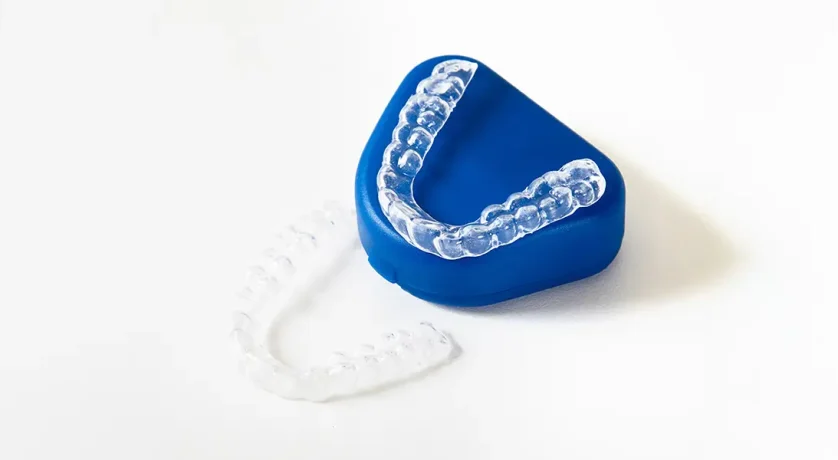
Can Invisalign Cause Cavities or Gum Disease?
Clear aligners do not damage enamel or healthy gum tissue. Cavities and gum disease develop when plaque remains on the teeth before the aligners are put back in. Once the trays cover the teeth, bacteria continue using food debris and sugars to produce acids that gradually weaken enamel and irritate the gums.
The aligners create a close-fitting environment around the teeth, so cleaning your teeth before wearing them again becomes especially important. This is why dentists recommend brushing and cleaning between your teeth after meals whenever possible, rather than simply rinsing with water.
Before starting Invisalign, your dentist will also check for existing cavities, gum disease, or damaged restorations. Treating these problems first helps create a healthier foundation for tooth movement and lowers the risk of complications during orthodontic care.
Why Some Invisalign Patients Develop Cavities
Invisalign does not cause cavities, but certain daily habits can increase the risk of cavities during treatment. Common examples include replacing aligners without brushing, drinking sugary beverages while wearing them, cleaning the trays irregularly, or skipping routine dental visits.
Plaque is a sticky bacterial film that cannot be removed by rinsing alone. Brushing and cleaning between your teeth every day help remove plaque before it builds up beneath the aligners. These simple habits play an important role in protecting your smile throughout treatment.
Can Invisalign Increase the Risk of Gum Disease?
Healthy gums generally respond well to orthodontic treatment, but plaque that remains along the gumline can irritate the surrounding tissues. If aligners are worn over unclean teeth day after day, the buildup of bacteria may increase the likelihood of gum inflammation.
Early warning signs may include:
- Bleeding while brushing or flossing.
- Red, swollen, or tender gums.
- Persistent bad breath.
- Gum soreness that does not improve with regular brushing.
When treated in the early stages, these symptoms can often be resolved through consistent oral hygiene and professional dental care. Ignoring them may allow inflammation to progress and affect the tissues that support the teeth. During routine examinations, a dentist in Jacksonville, FL can detect early changes affecting your teeth and gums and recommend care tailored to your clinical findings.
How to Prevent Cavities and Gum Disease During Invisalign Treatment
Good daily oral hygiene supports healthy teeth and gums while your teeth are being aligned.
- Brush with fluoride toothpaste before replacing your aligners.
- Floss or clean between your teeth every day.
- Only wear your aligners while drinking water. Remove them before eating or having other beverages
- Clean your aligners daily using the method recommended by your dentist.
- Attend regular dental examinations and professional cleanings.
Warning Signs You Shouldn’t Ignore
Contact your dental office if you notice persistent tooth sensitivity, bleeding gums, swelling, white or brown spots on your teeth, bad breath that does not improve, or aligners that no longer fit properly. Early evaluation often helps prevent minor concerns from becoming more complex dental problems.
Consult with Dentist
Invisalign treatment involves more than moving teeth into better alignment. Regular follow-up visits allow your dentist for Invisalign to monitor your progress, evaluate your oral health, and make adjustments when needed. Amiable Dental Care provides individualized treatment plans based on each patient’s oral health and orthodontic needs.
Frequently Asked Questions
No. Invisalign does not cause cavities directly. Cavities develop when plaque and bacteria remain on the teeth beneath the aligners.
If plaque is not removed consistently, existing gum inflammation may worsen during treatment.
Aligners should be rinsed when removed and cleaned thoroughly every day using the method recommended by your dentist.
Dirty aligners can collect plaque, bacteria, stains, and food debris, increasing the risk of bad breath and contributing to tooth decay or gum inflammation.
It is best to remove your aligners before drinking coffee. Coffee can stain the trays, and hot beverages may affect the aligner material.
Clinical References
- American Dental Association (ADA). MouthHealthy: Braces and Orthodontics.
- PubMed. Research on oral hygiene during clear aligner therapy.