
Can Gingivitis Cause Bleeding Gums? Signs You Should Know
October 1, 2026Gum bleeding can be easy to ignore when there is no tooth discomfort. Repeated bleeding, however, often means the gum tissue is irritated and deserves attention.
Gingivitis is one possible cause. If the problem keeps returning, an assessment for periodontal treatment in Jacksonville, FL can help determine whether early gum disease or another factor is involved.
Read More
Why Are My Teeth Becoming More Sensitive With Age?
September 1, 2026If sipping hot coffee or enjoying cold foods has become increasingly uncomfortable over the years, you are not alone. Tooth sensitivity often becomes more noticeable with age because the protective structures surrounding your teeth naturally change over time. While occasional sensitivity may not always indicate a serious problem, persistent discomfort deserves attention because it can signal underlying dental conditions that require treatment. If you are considering fluoride treatment in Jacksonville, FL, it may be one of several preventive options your dentist recommends to help strengthen vulnerable teeth after identifying the cause of your symptoms.
Tooth sensitivity is not always a normal part of aging. A dentist in Jacksonville, FL can identify the cause and recommend appropriate treatment to improve comfort and help maintain your oral health.
Read More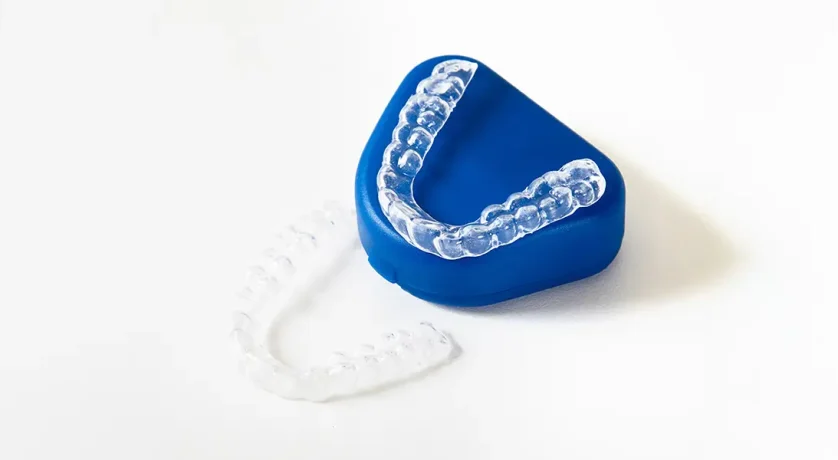
Many people choose Invisalign because it offers a discreet way to straighten their teeth while making brushing and flossing easier than with fixed braces. Even so, some patients worry that wearing aligners might increase the risk of cavities or gum disease. The aligners themselves are not the cause. If you are considering Invisalign in Jacksonville, FL, understanding how bacteria, plaque, and daily oral hygiene affect treatment can help you keep your teeth and gums healthy from start to finish. If you have been researching Invisalign treatment near me, regular follow-up appointments remain an important part of successful care.
Read More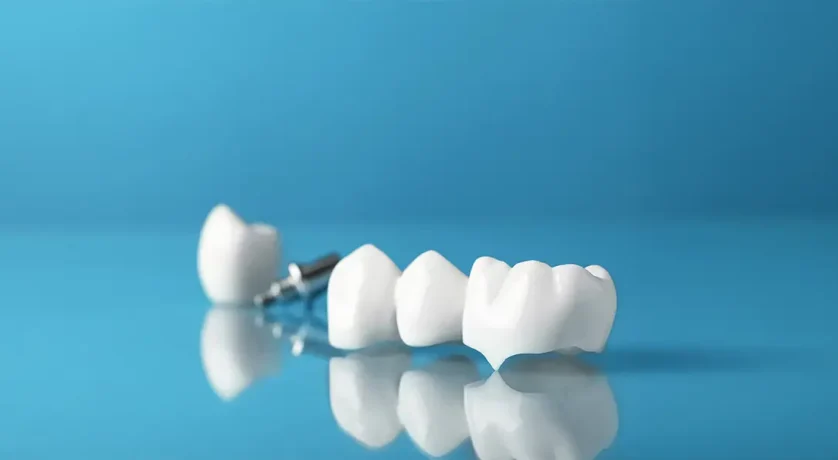
A small cavity can often be repaired with a filling. But what happens when the damage goes beyond what a filling can safely support?
Read More